What Is Dried Lime (Loomi)? How to Use Black Lime in Cooking
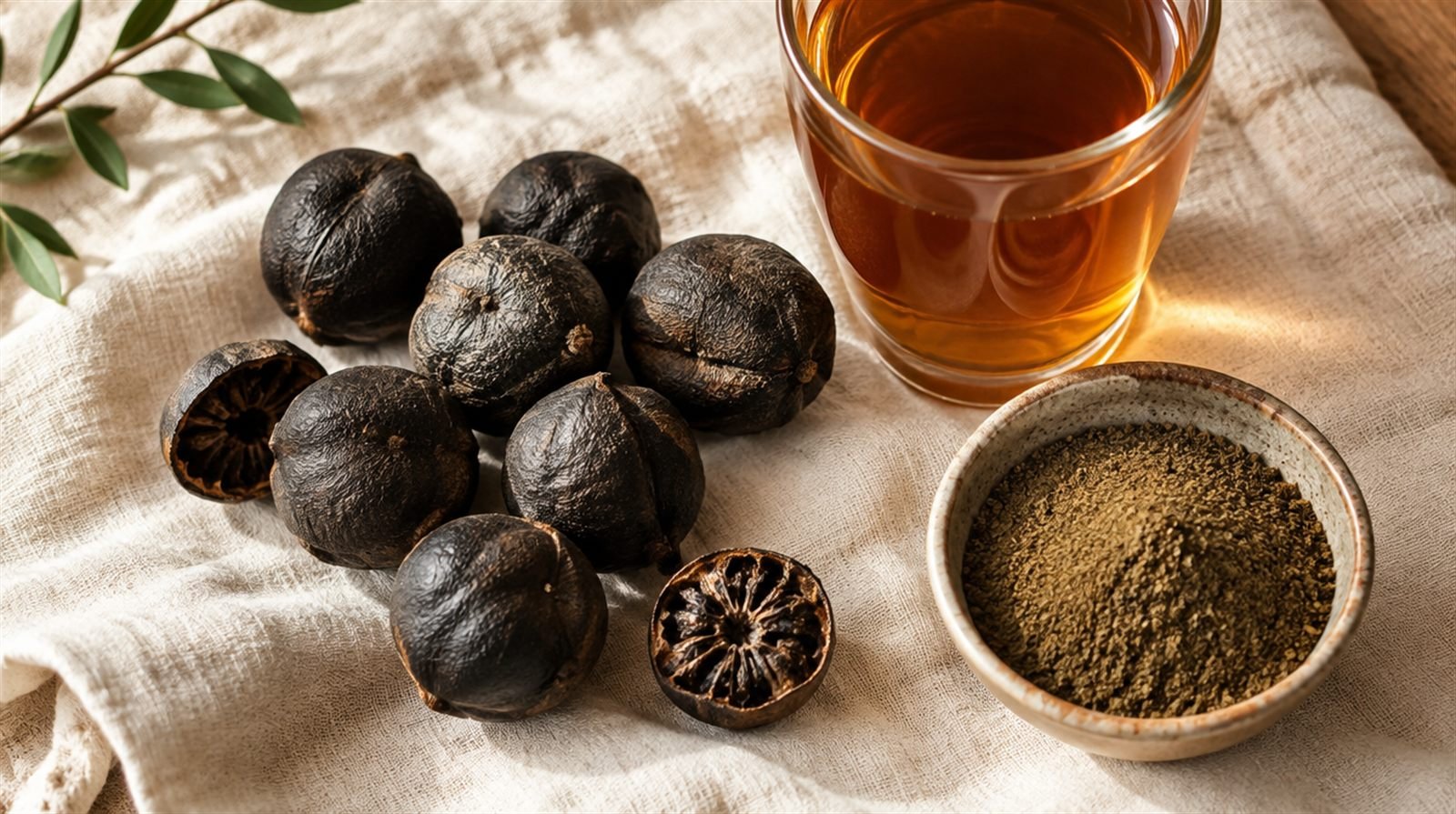
Dried lime is a whole lime that has been boiled in salt water and dried in the sun until it turns dark, hard and hollow, with a sour, earthy, slightly fermented flavor that fresh lime cannot match. It is a staple in Iraqi, Persian and Gulf cooking, and at Kashat Spices we sell it ground as Lemon Balls.
If you have eaten a proper Iraqi stew and wondered where the deep, tangy background note came from, this is usually the answer. It does a job that lemon juice cannot, because it brings sourness and savory depth at the same time.
This guide covers the different names for it, what it tastes like, how whole and ground versions differ, and how to use dried limes in stews, rice, tea and rubs.
What is dried lime called?
Loomi goes by many names depending on where you are. In Iraq it is noomi basra, named after the port city of Basra that the limes historically came through. In the Gulf it is loomi. In Iran it is limoo amani, which means Omani lime, because so much of the trade ran through Oman.
In English you will see dried lime, black lime, Omani lime and Persian lime on labels. Our family has always called them lemon balls, so that is the name on our jar of Kashat Lemon Balls, our ground dried lime. It is the same ingredient.
What does dried lime taste like?
Dried lime tastes sour, earthy and a little fermented, with a faint bitterness and a musky depth that fresh citrus does not have. The brining and sun-drying concentrate the acid and add a savory, almost smoky quality. Darker limes lean deeper and smokier. Lighter tan limes stay a bit brighter.
The bitterness lives mostly in the seeds and pith. A pierced whole lime simmered in a stew gives a rounded sour note. A crushed lime, or one left in the pot for hours, gives more of the bitter edge, which some cooks want and some do not.
Should you use whole or ground dried lime?
Use whole dried lime for anything that simmers for a long time, and ground for rice, rubs and dishes where you want the flavor spread evenly and fast. Whole limes give a slower, gentler release. Ground is more concentrated and goes to work immediately.
| Whole dried lime | Ground dried lime | |
|---|---|---|
| Best for | Stews, soups, braises, tea | Rice, rubs, marinades, quick dishes |
| How to add | Pierce and drop into the liquid | Stir in or sprinkle like any ground spice |
| Flavor release | Slow, over 30 minutes or more | Immediate |
| Bitterness control | Easy, remove the lime when done | Harder, so add a little at a time |
| Texture in the dish | None once removed | Fine powder, disappears into sauce |
Many Iraqi cooks keep both. Whole limes go into the Sunday stew. Ground lime goes into the rice, the fish rub and the weeknight lentils.
How do you use dried limes in cooking?
The classic use is in slow-simmered stews, but loomi works anywhere a dish needs sour depth. Here are the main ways we use it at home.
Stews and braises
This is where the whole lime belongs. Iraqi okra stew, white bean stew and lamb tashreeb all lean on it, and so do Persian dishes like ghormeh sabzi. Drop one or two pierced whole limes into the pot with the liquid and let them simmer with everything else.
Soups and lentils
A pinch of ground dried lime stirred into red lentil soup near the end brightens it the way lemon does, but with more depth. Use it in chicken soup, bean soups and tomato-based soups the same way.
Rice
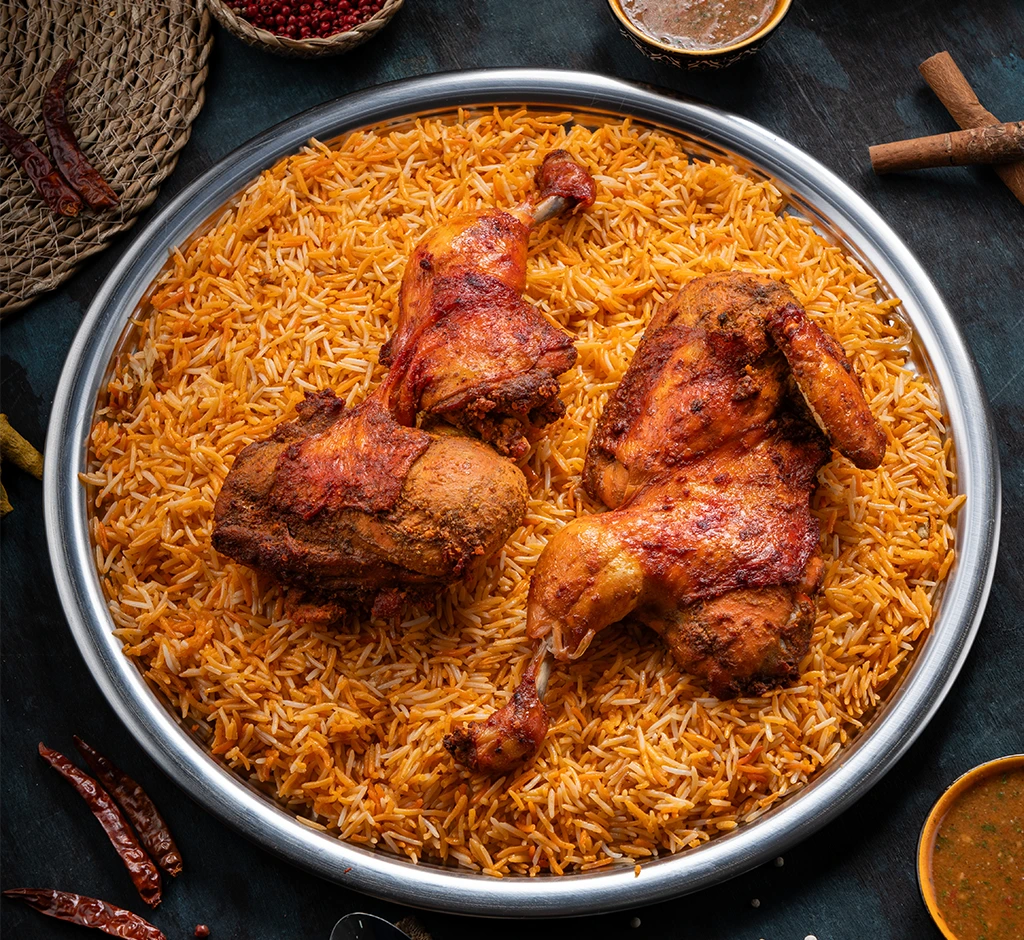
Gulf and Iraqi spiced rice dishes often include dried lime, either whole in the cooking liquid or ground in the spice mix. Our Koozi blend brings the warm spices for a quzi-style rice, and a pinch of Lemon Balls stirred in alongside it adds the sour lift that a good celebration rice should have.
Tea
Dried lime tea, called chai noomi basra in Iraq, is made by cracking a whole dried lime, steeping it in hot water for several minutes, and sweetening to taste. It is tart, warming and a common drink after heavy meals.
Rubs and marinades
The ground lime mixed with salt, black pepper and turmeric makes a simple rub for fish or chicken. It also fits Iraqi-style curry. A little stirred into a chicken curry made with our Curry Mild gives the finished dish the sour edge that Iraqi curries often have.
How do you use a whole dried lime?
Pierce it, drop it in, and let it simmer. That is the whole method, but a few details make the difference between a rounded sour note and a bitter one.
- Rinse the lime under cold water to remove any dust from drying.
- Pierce it two or three times with the tip of a knife or a skewer. This lets liquid in and flavor out without releasing all the bitter seeds at once.
- Add it with the liquid when the stew starts to simmer, one lime for a small pot and two for a large one.
- Press it gently against the side of the pot with a spoon halfway through cooking if you want more flavor.
- Taste after 30 minutes. When the sourness is where you want it, remove the lime. Leaving it in for hours pushes the dish toward bitter.
- Serve with or without. Some families leave the softened lime in the pot for whoever wants to squeeze it over their plate.
If you buy whole limes and want to grind your own, break them open, shake out the seeds, and grind the shells in a spice grinder. Or skip that step and use Kashat Lemon Balls, which we grind in-house.
Frequently Asked Questions
Is black lime the same as dried lime?
Yes, black lime is simply a dried lime that has darkened fully during drying. All dried limes start as fresh limes that are brined and sun-dried. Depending on how long they dry and the variety used, they end up anywhere from pale tan to nearly black. The darker ones taste a little deeper and smokier, while lighter ones are a touch brighter. Both are used the same way in cooking.
Can you substitute lemon juice for dried lime?
Lemon juice gives you the sour but not the earthy, fermented depth, so it is only a partial substitute. If a stew calls for two whole dried limes and you have none, add lemon juice at the end of cooking to taste, and consider a strip of lemon zest during simmering for a little aromatic bitterness. Ground sumac is another fair stand-in for the tartness. Neither will taste quite like loomi.
Why does dried lime taste bitter?
The bitterness comes mostly from the seeds and, to a lesser extent, the pith. When a whole dried lime simmers for a long time or gets crushed hard into a dish, more of that bitterness comes out. To keep it in check, pierce the lime rather than crushing it, remove it once the dish tastes right, and if you grind your own, break the lime open and shake out the seeds first.
How much ground dried lime should I use?
Start with about half a teaspoon of ground dried lime for a pot of stew or rice that serves four to six, then taste and add more. Ground dried lime is more concentrated than whole, and it releases its flavor immediately, so it is easy to overdo. For a rub on fish or chicken, a quarter teaspoon per pound mixed with salt and other spices is a good starting point.
Dried lime is one of those ingredients that makes Iraqi food taste like Iraqi food. Get a jar of Kashat Lemon Balls, our ground dried lime, and try it in your next stew, rice or lentil soup. Shop it with the rest of our single spices and blends at the Kashat Spices shop.