What Is Baharat? The Middle Eastern 7 Spice Blend Explained
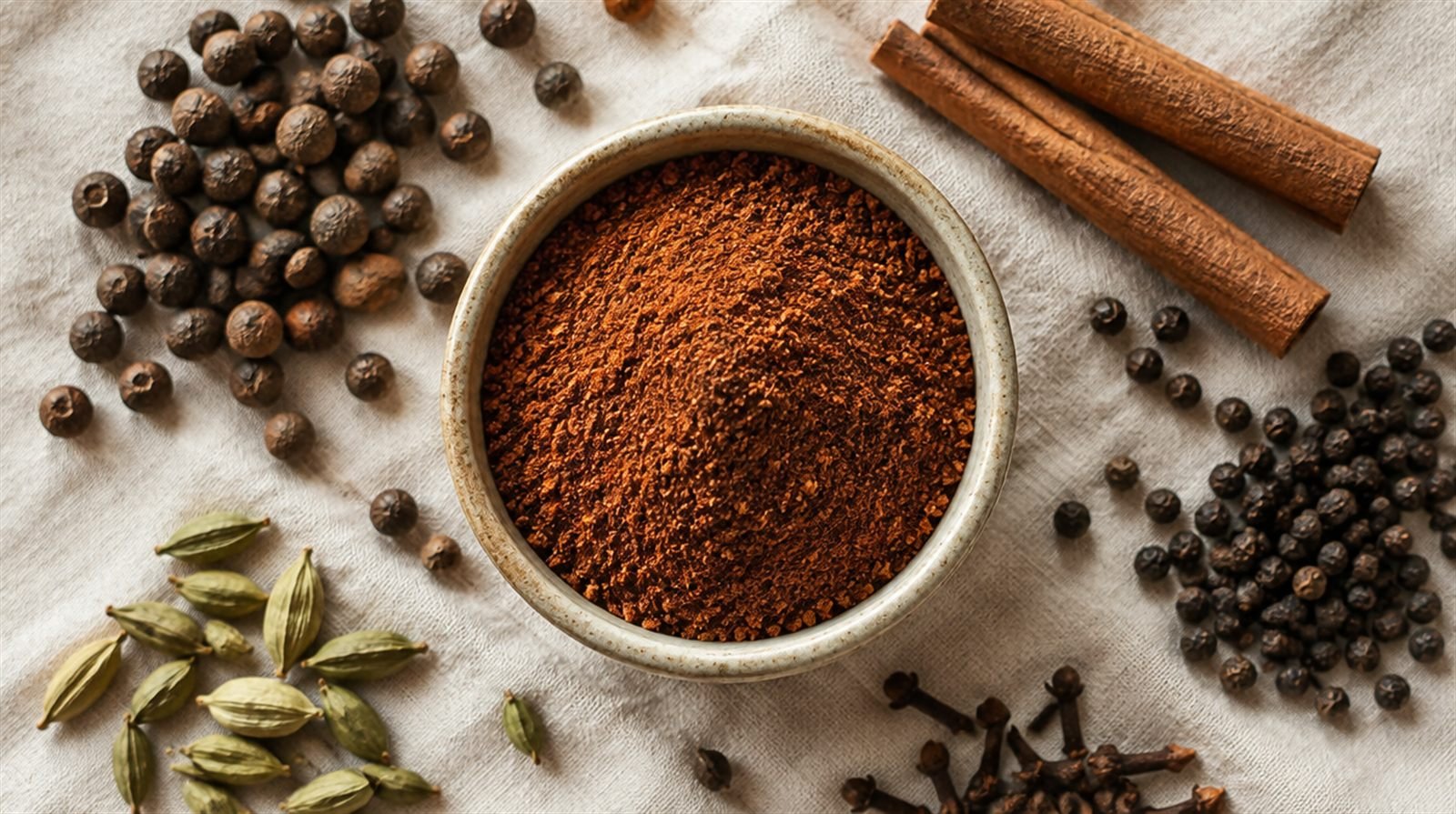
Baharat is a Middle Eastern all-purpose spice blend, and the answer to what is baharat starts with its name: baharat simply means “spices” in Arabic. In much of the Levant and Iraq it is known as 7 spice, a warm, savory mix built on black pepper, allspice, cinnamon, cloves, nutmeg, cardamom and coriander.
Every family and every region mixes it a little differently. Some versions lean sweet and warm, others lean peppery. Our family has blended Kashat Baharat 7 Spice for decades, and it is the blend we reach for more than any other.
Here is what goes into a 7 spice blend, what it tastes like, how much to use, and how it stacks up against other blends you may already own.
What is baharat made of?
A 7 spice blend typically contains black pepper, allspice, cinnamon, cloves, nutmeg, cardamom and coriander. Some families add cumin, paprika or dried rose petals. The number seven is a tradition more than a rule, and plenty of blends called 7 spice contain six or eight ingredients.
Our own ratio is a family recipe, so we will not print it here. What we can tell you is what each of the usual components brings to the mix.
The warm base
Ground allspice does a lot of the work. It tastes like a mix of cinnamon, clove and nutmeg on its own, which is how it earned its name. Ground cinnamon adds sweetness without sugar, and a small amount of ground cloves gives the blend its deep, sharp edge.
The sharp and fragrant notes
Black pepper keeps the blend savory and stops it from tasting like a dessert spice. Ground cardamom brings a floral, slightly citrusy lift. Nutmeg rounds everything out, and coriander adds a mild, lemony sweetness that ties the warm spices to meat and rice.
What does baharat taste like?
Baharat tastes warm, peppery and gently sweet, with a savory depth that is hard to place if you have not tasted it before. Knowing what is baharat on paper is one thing, and the smell of it hitting hot oil is another. It is not hot. The cinnamon and allspice give it a rounded sweetness, the black pepper and cloves push back with bite, and the cardamom and coriander keep it bright.
Think of it as the Middle Eastern answer to a good all-purpose seasoning. It smells like a holiday kitchen but tastes at home on a weeknight burger.
How do you use baharat seasoning?
Use baharat anywhere you would use a dry rub or an all-purpose seasoning. When customers ask what is baharat good for, the honest answer is almost everything savory. Rub it on meat, stir it into rice, season a pot of stew, or shake it over roasted vegetables. It works as a marinade base with olive oil and lemon, and it works dry, straight from the jar.
Meat and poultry
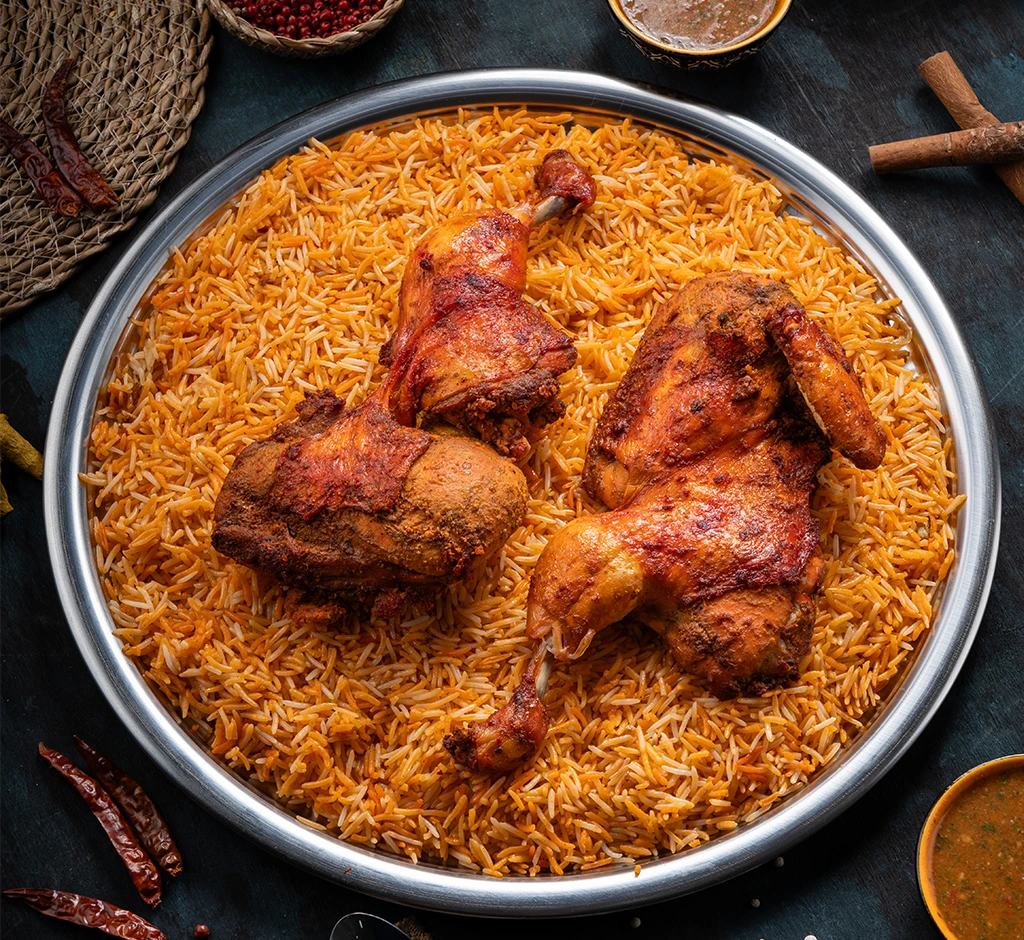
Baharat is the backbone of kofta, kabob, grilled chicken and lamb dishes across the region. Mix about 1 tablespoon per pound of ground meat for kofta or burgers, since ground meat can take more seasoning. For whole cuts, rub 1 to 2 teaspoons per pound with salt and a little oil, then rest the meat for at least 30 minutes before cooking.
Rice and grains
Stir half a teaspoon to a teaspoon into the oil before you add rice to the pot. Letting the spices warm in the fat for a minute makes a big difference. Baharat also belongs in bulgur pilaf, lentil dishes and stuffed vegetable fillings.
Stews and soups
Add 1 to 2 teaspoons per pot of bean stew, lamb stew or tomato-based soup. Add it early so it has time to soften into the liquid, then taste and adjust near the end.
Burgers and weeknight cooking
A teaspoon of baharat in a pound of ground beef turns a plain burger into something closer to a kofta sandwich. It is also good on roasted potatoes, cauliflower, carrots and eggplant. Toss vegetables in oil and salt, then add baharat before roasting.
How much baharat should you use?
Start with less than you think. Baharat is fragrant, and a little goes a long way. A good starting point is 1 teaspoon per pound of meat or per 2 cups of uncooked rice, then adjust once you know how strong you like it.
How does baharat compare to other spice blends?
People who already cook with garam masala or ras el hanout often ask what is baharat in relation to those. Baharat sits between the sweet warmth of a pumpkin pie spice and the savory depth of a curry powder. The table below shows how it lines up with blends people often confuse it with.
| Blend | Origin | Typical flavor | Best use |
|---|---|---|---|
| Baharat (7 spice) | Levant, Iraq, Gulf | Warm, peppery, gently sweet | Meat, rice, stews, burgers |
| Garam masala | India | Warm and earthy, with cumin and more pepper heat | Curries, lentils, finishing dishes |
| Ras el hanout | Morocco | Complex and floral, often with rose and chile | Tagines, couscous, roasted meat |
| Chinese five spice | China | Licorice-forward from star anise and fennel | Pork, duck, braises |
| Pumpkin pie spice | United States | Sweet, no pepper or savory notes | Baking |
If a recipe calls for garam masala and you only have baharat, you can swap it in for many dishes, though the result will be less earthy and less hot. Swapping in the other direction works too. Ras el hanout is more complex and floral, so it will change a dish more.
Frequently Asked Questions
Is baharat the same as 7 spice?
Yes, in most Levantine and Iraqi kitchens baharat and 7 spice are the same thing. The name 7 spice describes the traditional count of ingredients, while baharat is simply the Arabic word for spices. In the Gulf and North Africa the word baharat can refer to different regional blends, so check the ingredient list if you are buying one you have not used before.
Is baharat spicy?
No, baharat is warm rather than hot. It contains black pepper, which gives it a mild bite, but it has no chile in the traditional version. If you want heat, add a pinch of cayenne or Aleppo pepper alongside it. Kids and people who avoid spicy food generally have no trouble with dishes seasoned with baharat.
What can I substitute for baharat?
The closest quick substitute is equal parts ground allspice and black pepper with a pinch of cinnamon. It will not have the full depth of a real 7 spice blend, but it covers the main notes. Garam masala also works in a pinch, though it brings cumin and a bit more heat. For best results, keep a jar of baharat on hand, since it is hard to fake well.
How long does baharat stay fresh?
Ground baharat keeps its best flavor for several months to about a year when stored in an airtight jar away from heat and light. It does not spoil after that, but the aroma fades. Buy in small amounts you will use within a few months, and keep the jar away from the stove. If it smells faint when you open the lid, it is time for a fresh batch.
Kashat Baharat 7 Spice is ground fresh and hand-mixed in small batches in Madison Heights, Michigan, with no artificial preservatives or additives. Get a jar of Kashat Baharat 7 Spice and start with a teaspoon in tonight’s rice or burgers. Shop the full line of blends and single spices at the Kashat Spices shop.