Baharat vs Garam Masala vs Ras el Hanout: Which Blend Should You Use?
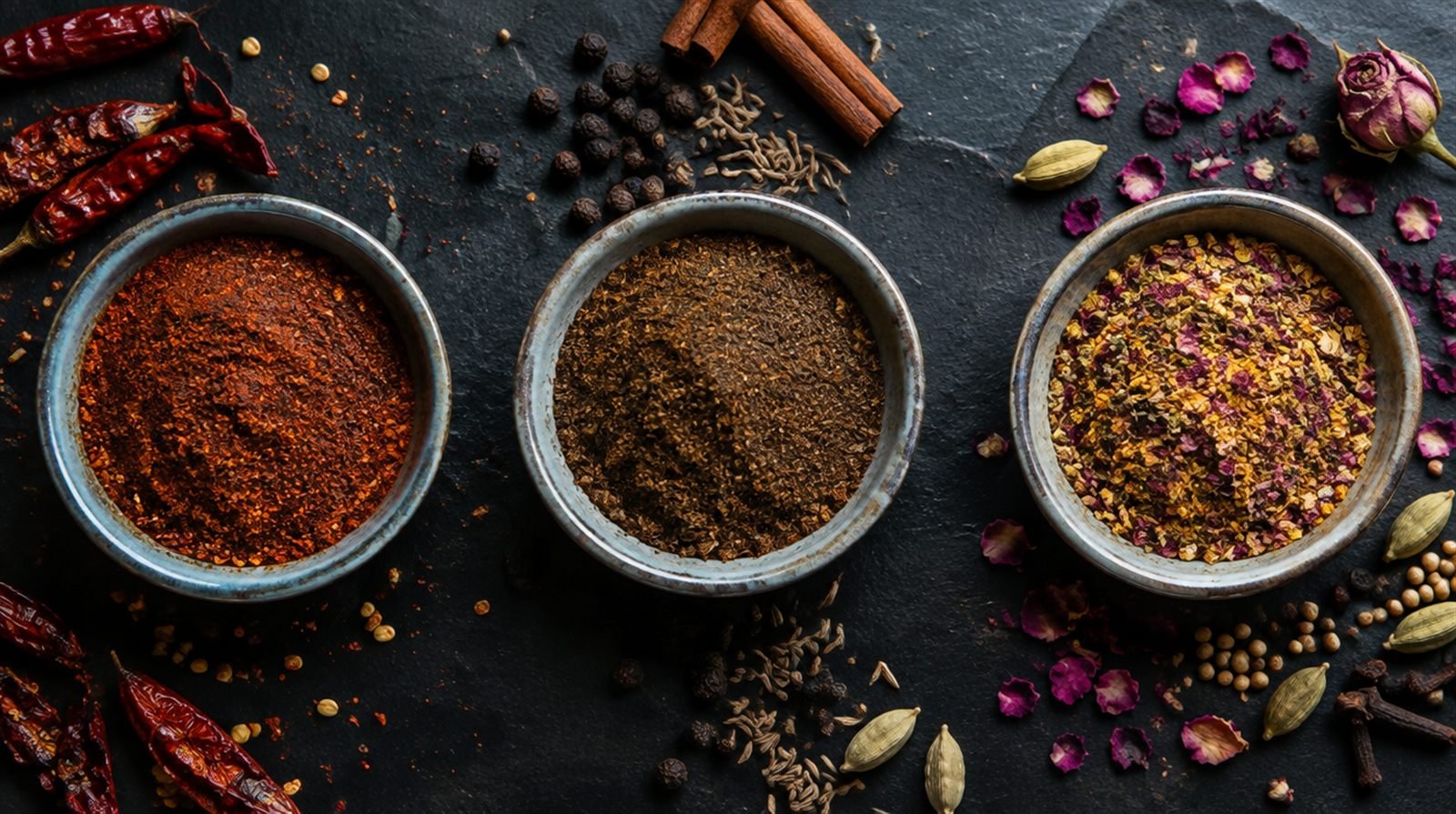
Baharat vs garam masala comes down to origin and balance: baharat is the Middle Eastern all-purpose blend, built on allspice and black pepper with warm sweet spices, while garam masala is the North Indian finishing blend, built on cumin, coriander and cardamom with a sharper warming edge. Ras el hanout is the Moroccan blend, more complex and often floral.
All three share a core of cinnamon, cloves, cardamom and black pepper, which is why they get confused. The difference is in what surrounds that core and in how each blend is used in the pot.
This guide covers where each blend comes from, what typically goes into it, what it tastes like, when to use it, and how to substitute one for another without ruining dinner.
What is baharat?
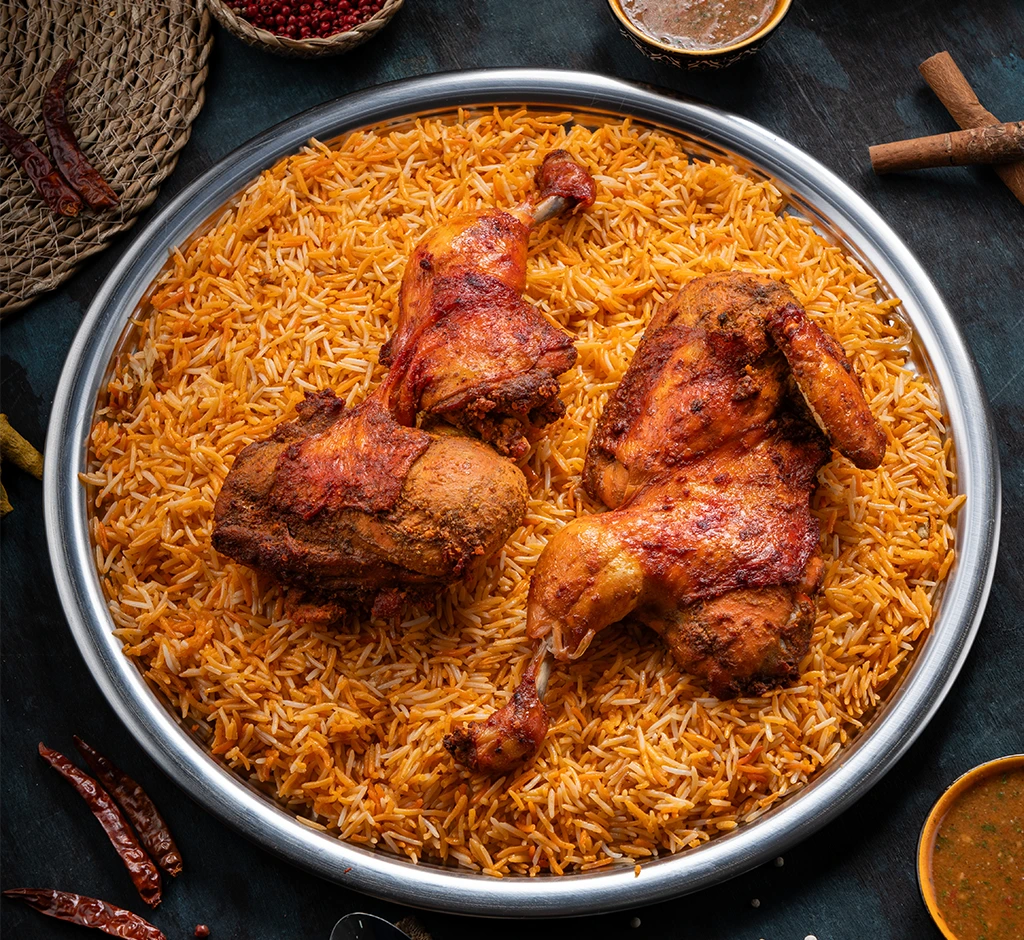
Baharat is the everyday spice blend of the Levant, Iraq and the Gulf. The word simply means spices in Arabic, and the blend is often called 7 spice. It is used from the start of cooking as a base seasoning for meat, rice, stews and vegetables.
A baharat blend typically includes allspice, black pepper, cinnamon, cloves, nutmeg, cardamom and coriander, sometimes with cumin or paprika. Allspice and black pepper lead, which gives it a rounded, gently sweet warmth with a peppery finish. It has no chili heat.
Our Kashat Baharat 7 Spice follows the family recipe we have used for decades. For the full story of the blend and how to cook with it, read our guide to what baharat is and how to use it.
What is garam masala?
Garam masala is the warming spice blend of North India and Pakistan. The name means warm spice mix, and it usually goes in near the end of cooking, stirred into a curry or sprinkled over a dish just before serving, so its aroma stays bright.
A typical garam masala includes cumin, coriander, cardamom, cinnamon, cloves, black pepper and nutmeg, often with bay leaf and sometimes mace or fennel. Cumin and coriander give it an earthy, savory base, and the cardamom sits higher and more floral than it does in baharat. Like baharat, it contains no chili, so it is warming, not hot.
What is ras el hanout?
Ras el hanout is the signature blend of Morocco and the wider Maghreb. The name means head of the shop, the idea being that each spice merchant offers the best of what they carry in one mix. It is used in tagines, couscous, roasted meats and vegetables.
There is no fixed recipe, and some versions run to twenty or more ingredients. Common ones include cumin, coriander, ginger, turmeric, cinnamon, cardamom, allspice, cloves, nutmeg and black pepper, along with dried rose petals, and sometimes chili or lavender. The result is layered and slightly sweet, with a floral perfume and a golden color from turmeric.
Baharat vs garam masala vs ras el hanout: how do they compare?
Baharat is the mildest and most rounded of the three, garam masala is the most savory and aromatic, and ras el hanout is the most complex and floral. The table below puts baharat vs garam masala vs ras el hanout side by side.
| Baharat | Garam masala | Ras el hanout | |
|---|---|---|---|
| Origin | Levant, Iraq, Gulf | North India, Pakistan | Morocco, Maghreb |
| Lead spices | Allspice, black pepper | Cumin, coriander, cardamom | Cumin, ginger, turmeric, rose |
| Flavor | Rounded, gently sweet, peppery | Earthy, savory, aromatic | Layered, floral, slightly sweet |
| Color | Reddish brown | Deep brown | Golden to reddish |
| Heat | None | None, or pepper only | Usually mild, sometimes chili |
| When to add | Start of cooking | End of cooking | Start or middle |
| Best uses | Kofta, rice, stews, kabob, burgers | Curries, dal, roasted vegetables | Tagines, couscous, roasted lamb |
Can you substitute baharat for garam masala?
Yes, baharat and garam masala can stand in for each other in most recipes at a one-to-one ratio, because they share the same warm core. The dish will taste a little different, but it will not taste wrong. The baharat vs garam masala swap is the easiest of the three; ras el hanout is a looser fit, and that swap needs more care.
Baharat in place of garam masala
Use the same amount. Baharat leans sweeter and rounder because of the allspice, so add a pinch of ground cumin and coriander if the recipe is a savory curry or dal. Add most of it early rather than at the end, since baharat is built to cook into the dish.
Garam masala in place of baharat
Use the same amount, but hold back a little of it and stir it in at the end, the way it is meant to be used. Garam masala has less allspice, so a pinch of ground allspice brings the swap closer for kofta, kubba and rice.
Ras el hanout in place of either
Start with three quarters of the amount and taste. The rose and turmeric will show through, so the dish will lean Moroccan. It works well in lamb, chickpea and root vegetable dishes and less well in delicate rice or chicken where the floral note stands out too much.
When a curry blend is the better swap
If the recipe expects turmeric, ginger and a deep golden color, a curry blend is closer than any of the three. Kashat Curry Mild gives that turmeric-forward base without heat, and Kashat Curry Hot does the same with chili. Either one can replace ras el hanout in a tagine or garam masala in a simple curry.
Which blend should you use?
Use baharat for Middle Eastern dishes and anything you season from the start, garam masala for Indian dishes finished at the end, and ras el hanout for North African tagines and roasts. A quick guide:
- Kofta, kubba, shawarma, Iraqi rice, burgers, meatballs: baharat.
- Chicken curry, dal, chana masala, roasted cauliflower: garam masala, added at the end.
- Lamb tagine, couscous, roasted carrots, chickpea stew: ras el hanout.
- You only want one jar: baharat, because it is the most forgiving in the widest range of dishes.
In the baharat vs garam masala question, most home cooks in our shop end up keeping both. They are cheap to stock, they last well whole or ground, and each one does a job the other cannot quite do.
Frequently Asked Questions
Is baharat the same as 7 spice?
Yes, in most Middle Eastern kitchens baharat and 7 spice (sabaa baharat) refer to the same kind of blend, a warm mix built on allspice and black pepper with cinnamon, cloves, nutmeg and a few others. The word baharat simply means spices in Arabic. Recipes vary by family and region, so one household’s 7 spice may include coriander or cumin while another leaves them out. Kashat’s Baharat 7 Spice follows the family’s own recipe.
Is garam masala spicy hot?
No, garam masala is warming rather than hot. The word garam refers to warmth in the sense of spices like cinnamon, cloves and cardamom, not chili heat. Most garam masala contains no chili at all, and any heat you notice comes from black pepper. If a dish made with garam masala tastes hot, the heat almost always came from chili added separately, not from the blend itself.
What is a good garam masala substitute?
Baharat is the closest single-jar substitute for garam masala in most recipes, used in the same amount. It shares the warm core of cinnamon, cloves, cardamom, black pepper and nutmeg, and leans a little sweeter because of the allspice. Add a pinch of cumin and coriander if the recipe is savory. For a curry that expects turmeric and a deeper color, a mild curry blend is closer than either one.
Can I mix baharat and garam masala together?
Yes, and the mix works well in lamb, beef and lentil dishes that sit between the two cuisines. Use equal parts and treat the mix as you would either blend alone, adding most of it early and a pinch at the end. Because both are built on similar warm spices, they do not clash. Keep ras el hanout separate, since its floral side changes the character of the dish.
Get a jar of Kashat Baharat 7 Spice and see how far one blend can stretch across your week. Shop the Curry Mild and Curry Hot blends alongside it for the days a recipe calls for turmeric and a deeper golden color.