Quzi (Koozi): Iraq’s Celebration Lamb and Rice Explained
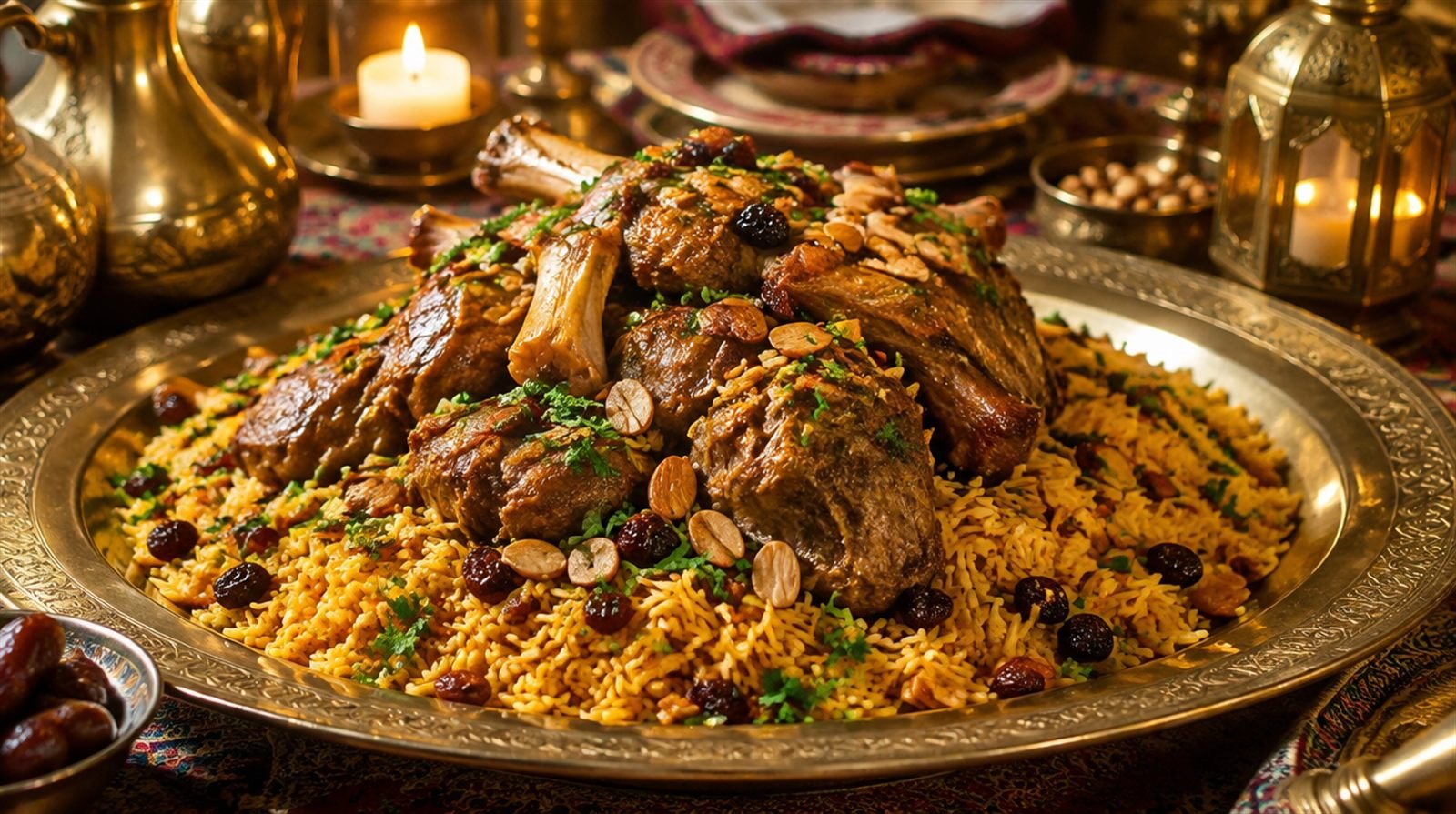
Quzi, spelled koozi, qoozi or ghoozi, is Iraq’s celebration dish: lamb slow-cooked until it falls from the bone, served over a mound of spiced rice and topped with nuts and raisins. It is the centerpiece at weddings, Eid, Christmas and big family gatherings, and the spices that season the lamb and the rice set each family’s version apart.
In our family it is Koozi, and the blend we sell under that name is the one that seasoned the platters at every wedding we grew up with. The dish looks grand, but it is built from a few simple parts: braised lamb, rice cooked in the lamb’s own broth, and a handful of fried nuts and dried fruit.
This guide covers what quzi is, the other names you will see, the spices that go into it, how to build it in steps, and when to reach for the ground or the whole Koozi blend.
What is quzi?
Quzi is a whole lamb, or a large cut of lamb, cooked slowly with spices until tender, then served on a bed of rice that has been cooked in the braising broth and topped with toasted almonds, pine nuts and raisins. At a wedding the lamb may be roasted whole and set on a platter of rice big enough for a table of guests.
At home, most families use a lamb shoulder, leg or shanks. The rice is the heart of it: fluffy, golden, lightly sweet from the raisins and carrying the full flavor of the broth.
Quzi is a dish of occasions. It appears at Eid, at Christmas and Easter in Chaldean homes, at weddings and engagements, and whenever a family wants to honor a guest.
What are the other names for quzi?
Quzi appears under several spellings and a few related names, depending on the region and the family.
- Quzi, qoozi, ghoozi, kozi: Iraqi spellings of the same word, which refers to a young lamb.
- Koozi: the spelling our family uses, and the name of the Kashat blend.
- Ouzi or ghuzi: the Gulf and Levantine relatives. In the Gulf, ghuzi is a similar lamb and rice platter. In the Levant, ouzi often means a portion of spiced rice and meat wrapped and baked in thin pastry.
If a recipe calls for quzi rice or ouzi rice, it means the spiced rice with nuts and raisins, with or without the lamb on top.
What spices go in quzi?
Quzi is seasoned with warm whole spices in the braise and a ground blend in the rice. Typical spices include cardamom, cinnamon, cloves, black pepper, allspice, cumin, coriander, nutmeg and bay, with dried lime for sourness and turmeric for color.
Our Kashat Koozi blend brings those warm spices together in one jar. The exact ratio is a family recipe, so we will describe it only as a rounded, cardamom-forward blend made for lamb and rice. It is ground fresh in-house and hand-mixed in small batches.
Spices for the lamb
The lamb takes whole spices that can simmer for hours without turning bitter. Kashat Cardamom Whole and Kashat Cinnamon Sticks go into the pot with onion, garlic and bay. A dried lime, pierced or ground, gives the broth its faint sour edge. Rub the meat with ground Koozi and salt before it goes in.
Spices for the rice
The rice takes ground spices so the flavor spreads evenly through every grain. Ground Koozi, a pinch of turmeric for color and a spoon of Kashat Lemon Balls (ground dried lime) are stirred into the broth before the rice goes in. A little black pepper at the end keeps it from tasting sweet.
How do you make quzi?
Build quzi in four stages: braise the lamb, cook the rice in the broth, fry the topping, then assemble. Each stage can be done ahead, which is why the dish works so well for a crowd.
- Season and sear the lamb. Rub a bone-in shoulder or leg with salt and ground Koozi. Brown it in a little oil in a large pot until the outside is deep gold.
- Braise. Add quartered onions, whole garlic cloves, cardamom pods, cinnamon sticks, bay leaves and a pierced dried lime. Cover with water, bring to a simmer, and cook covered on low heat or in a 325°F oven until the meat pulls easily from the bone. Plan on several hours for a shoulder.
- Strain the broth. Lift out the lamb and keep it warm. Strain the broth, skim the fat, and measure what you need for the rice.
- Cook the rice. Rinse long-grain rice until the water runs clear and soak it briefly. Sizzle ground Koozi and turmeric in butter or oil, add the rice and stir to coat, then add hot broth and a little ground dried lime. Cover and cook on low until the grains are tender and separate.
- Fry the topping. Fry slivered almonds and pine nuts in butter until golden, then add raisins for the last minute so they plump.
- Assemble. Mound the rice on a wide platter, pull the lamb into large pieces and lay it on top, then scatter the nuts, raisins and chopped parsley over everything.
Should you use ground or whole Koozi?
Use ground Koozi for rubbing the lamb and seasoning the rice, and whole Koozi for the braising liquid. Ground spice spreads its flavor everywhere at once. Whole spice releases flavor slowly and can be lifted out before serving.
Kashat sells the blend both ways, as Koozi ground and as Kashat Koozi Whole. Many families keep both, whole for the pot and ground for the rice.
| Koozi (ground) | Koozi Whole | |
|---|---|---|
| Where it goes | Lamb rub, rice, quick stews | Braising liquid, stock, soups |
| When to add | Start of cooking, in the fat | Start of a long simmer |
| Texture | Blends into the dish | Stays whole, remove before serving |
| Best for | Even flavor in every grain | Clear broth, slow flavor |
What do you serve with quzi?
Serve quzi with plain yogurt, a chopped cucumber and tomato salad, and pickles. The cool, sour sides balance the rich lamb and sweet raisins.
Flatbread and a plate of fresh herbs and radishes finish the table.
Frequently Asked Questions
Can you make quzi with chicken instead of lamb?
Yes, chicken quzi is common at home when lamb is expensive or the crowd is small. Use a whole chicken or bone-in thighs, rub them with ground Koozi and salt, and braise them with the same whole spices until tender. Chicken needs far less time than lamb, so start checking after about an hour. Cook the rice in the chicken broth and top it the same way. Poultry is safe at 165°F internal temperature.
Is quzi the same as biryani?
No, though both are festive rice dishes with meat, nuts and warm spices. Quzi is Iraqi, and its rice is cooked in the lamb broth and served under a large piece of braised lamb. Biryani is South Asian, and its rice is layered with a separately cooked meat curry and steamed together. Iraqi beryani is a third dish again, usually with rice, noodles, peas and small pieces of meat or chicken.
What cut of lamb is best for quzi?
Bone-in lamb shoulder is the best everyday cut for quzi, because it braises to a soft, pull-apart texture and gives a rich broth for the rice. Leg of lamb works and looks grander on the platter, but it is leaner and needs more care to stay moist. Lamb shanks are a good choice for a smaller group, with one shank per person laid over the rice.
Can you make quzi ahead of time?
Yes, quzi is a good make-ahead dish, which is why it suits weddings and holidays. Braise the lamb a day ahead, cool it in its broth and refrigerate. The next day, skim the fat, reheat the lamb gently, and cook the rice fresh in the warmed broth. Fry the nuts and raisins just before serving so they stay crisp. Assemble the platter at the table.
Get a jar of Kashat Koozi for the rice and the rub, and a bag of Kashat Koozi Whole for the pot. Order both and the next holiday platter comes from the same jars our family has cooked with for decades.