Beef Shawarma vs Chicken Shawarma Seasoning: What’s the Difference?
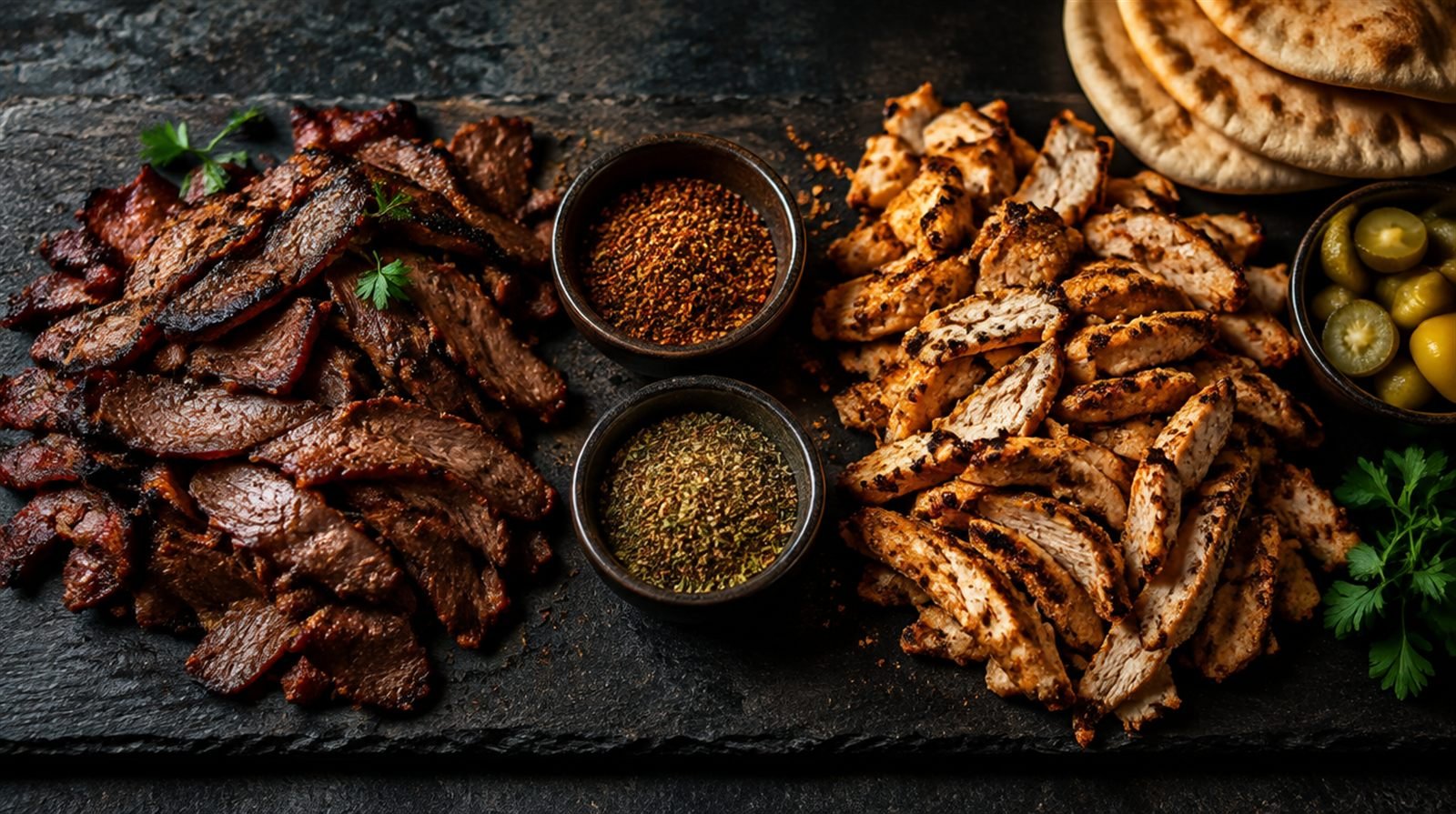
Beef shawarma seasoning leans warm and earthy, built on baharat-style spices like allspice, black pepper, cinnamon, cardamom and cloves, while chicken shawarma seasoning leans brighter, with garlic, lemon, turmeric and paprika doing most of the work. Both are shawarma, but the spices are tuned to the meat, and swapping them changes the dish.
At Kashat Spices we make both, a Beef Gus Shawarma blend and a Chicken Shawarma blend, and they are two different recipes for a reason. Our family has seasoned shawarma the Iraqi way for over 30 years, and the first rule is that you season the meat you have.
Here is how the two seasonings differ, what gus means, when to use each one, and how to cook beef shawarma at home so the edges brown the way they should.
Why is beef shawarma seasoned differently from chicken?
Beef and chicken are seasoned differently because beef has a deep, rich flavor that stands up to warm spices, while chicken is mild and needs brightness to taste like much at all. Heavy warm spices on chicken can taste muddy. Bright, lemony spices on beef can taste thin.
Fat plays a part too. Beef shawarma is usually cut from well-marbled meat, and that fat carries spices like cinnamon and cardamom across the whole bite. Chicken thighs have less fat, so garlic, lemon and turmeric have to do the heavy lifting on their own.
What is in beef shawarma seasoning?
Beef shawarma seasoning is typically built on a baharat base: allspice, black pepper, cinnamon, cardamom, cloves and nutmeg, with cumin and coriander underneath and salt to pull it together. Some families add dried lime for a sour edge, or paprika for color. Ours follows a family recipe, and the exact ratio stays in the family, but that is the flavor it belongs to.
The warm layer
Allspice, cinnamon, cardamom and cloves give beef shawarma its recognizable sweet warmth. This is the same territory as our Baharat 7 Spice, which is why baharat and beef shawarma spices are so often confused.
The earthy layer
Cumin and coriander sit under the warm spices and keep the blend from tasting like dessert. Black pepper adds bite. Together they give beef shawarma its savory depth.
The sour note
Beef shawarma needs something sour to cut the fat, and that usually comes from the marinade rather than the dry blend: vinegar, lemon juice, or a pinch of ground dried lime. Without it, the meat tastes rich but flat.
What is in chicken shawarma seasoning?
Chicken shawarma seasoning is typically built on garlic, turmeric, paprika, cumin and coriander, with a small amount of cardamom or cinnamon for depth and a sour element from lemon, vinegar or sumac. Turmeric gives it the golden color. Garlic and lemon give it the flavor people recognize as chicken shawarma.
The blend is lighter on the warm spices on purpose. A little cardamom rounds it out, but the goal is bright and savory, not sweet and heavy. If you want to see it in action, our chicken shawarma recipe walks through the marinade and the cooking.
What does gus mean in gus shawarma?
Gus is the Iraqi name for shawarma. The dish is the same idea, thin-sliced marinated meat stacked and roasted, then shaved off and tucked into bread, but in Baghdad you order gus, not shawarma. Our family uses the Iraqi word, which is why our beef blend is called Beef Gus Shawarma.
Iraqi beef gus tends to run warm and peppery, and it is often served in samoon bread with pickles, onions and amba. That is the flavor our beef blend was built around, so if you grew up with gus, this is the one you want.
How do beef and chicken shawarma spices compare?
The table below sums up the shawarma spice difference at a glance.
| Feature | Beef shawarma | Chicken shawarma |
|---|---|---|
| Flavor direction | Warm, earthy, peppery | Bright, garlicky, golden |
| Lead spices | Allspice, black pepper, cinnamon, cardamom, cloves | Garlic, turmeric, paprika, cumin |
| Supporting spices | Cumin, coriander, nutmeg | Coriander, a little cardamom or cinnamon |
| Sour element | Vinegar, lemon or dried lime in the marinade | Lemon juice, sumac or yogurt |
| Marinade base | Oil and vinegar with onion | Oil and lemon, or yogurt |
| Best cut | Chuck, flank, sirloin flap, ribeye | Boneless thighs |
| Classic toppings | Pickles, onion, amba, tahini | Garlic sauce, pickles, fries |
Can you use beef shawarma seasoning on chicken?
You can, and the result is good, but it tastes more like Iraqi spiced chicken than like classic chicken shawarma. If you go this way, add extra garlic and plenty of lemon to the marinade to bring back the brightness the chicken needs.
The swap in the other direction works too. Chicken shawarma seasoning on beef gives you a lighter, more lemony sandwich. Add a pinch of baharat or a little extra black pepper to bring back the warmth that beef wants. Neither swap is wrong. They are just different sandwiches.
How do you cook beef shawarma at home?
The best home method is a very hot skillet in small batches, which gets you the browned, crisp edges that a rotating spit gives a shop. Here is the process we use.
- Choose the cut. Chuck, sirloin flap, flank or ribeye all work. You want visible marbling.
- Slice thin. Freeze the beef for about 30 minutes, then slice it thin against the grain.
- Marinate. Toss the slices with oil, a splash of vinegar or lemon juice, sliced onion and beef shawarma seasoning. Refrigerate for at least 4 hours, ideally overnight.
- Heat the pan hard. Use a cast iron or heavy skillet with a little oil, and get it very hot before the meat goes in.
- Cook in batches. Spread the beef in a single layer and leave it alone until the edges brown, then turn. Crowding the pan steams the meat instead of searing it.
- Serve right away. Pile it into samoon or pita with pickles, onion, tahini or amba.
If you prefer the oven, spread the marinated beef on a sheet pan and roast at high heat, stirring once, until the edges are dark. Finish under the broiler for a minute if you want more char.
Frequently Asked Questions
Is beef shawarma seasoning the same as chicken shawarma seasoning?
No, they are two different blends. Beef shawarma seasoning is built on warm baharat-style spices such as allspice, black pepper, cinnamon, cardamom and cloves, with cumin and coriander underneath. Chicken shawarma seasoning is brighter and leans on garlic, turmeric, paprika and a sour note from lemon or sumac. You can use one on the other in a pinch, but each blend was tuned for its own meat.
What cut of beef is best for shawarma?
Well-marbled cuts that slice thin work best. Chuck, sirloin flap, flank and ribeye are all common choices for home shawarma because they have enough fat to stay juicy through high heat. Partially freeze the beef for about 30 minutes, then slice it thin against the grain. Very lean cuts like eye of round dry out fast and make chewy shawarma, so avoid them unless you slice paper thin.
Can I use baharat as beef shawarma seasoning?
Yes, baharat is the backbone of most beef shawarma spices, so it makes a good starting point. Add salt, garlic, a little cumin and a sour element such as vinegar, lemon juice or dried lime, and you will be close. A dedicated beef shawarma blend saves you the guessing, since the balance is already set for beef, but baharat alone will give you the right warm, earthy direction.
How long should beef shawarma marinate?
Marinate beef shawarma for at least 4 hours, and overnight if you can. Thin slices take on flavor quickly, but the longer rest lets the vinegar or lemon soften the meat and lets the spices reach the center. Do not go much past 24 hours if the marinade is heavy on acid, because the surface of the beef can turn soft and mealy. Keep it in the refrigerator the whole time.
Ready to cook both? Get our Beef Gus Shawarma blend for the warm, peppery Iraqi version and our Chicken Shawarma blend for the bright, garlicky one. Both are ground fresh and hand-mixed in small batches in Madison Heights, Michigan.