Kabob Seasoning: How to Marinate and Grill Middle Eastern Kebabs
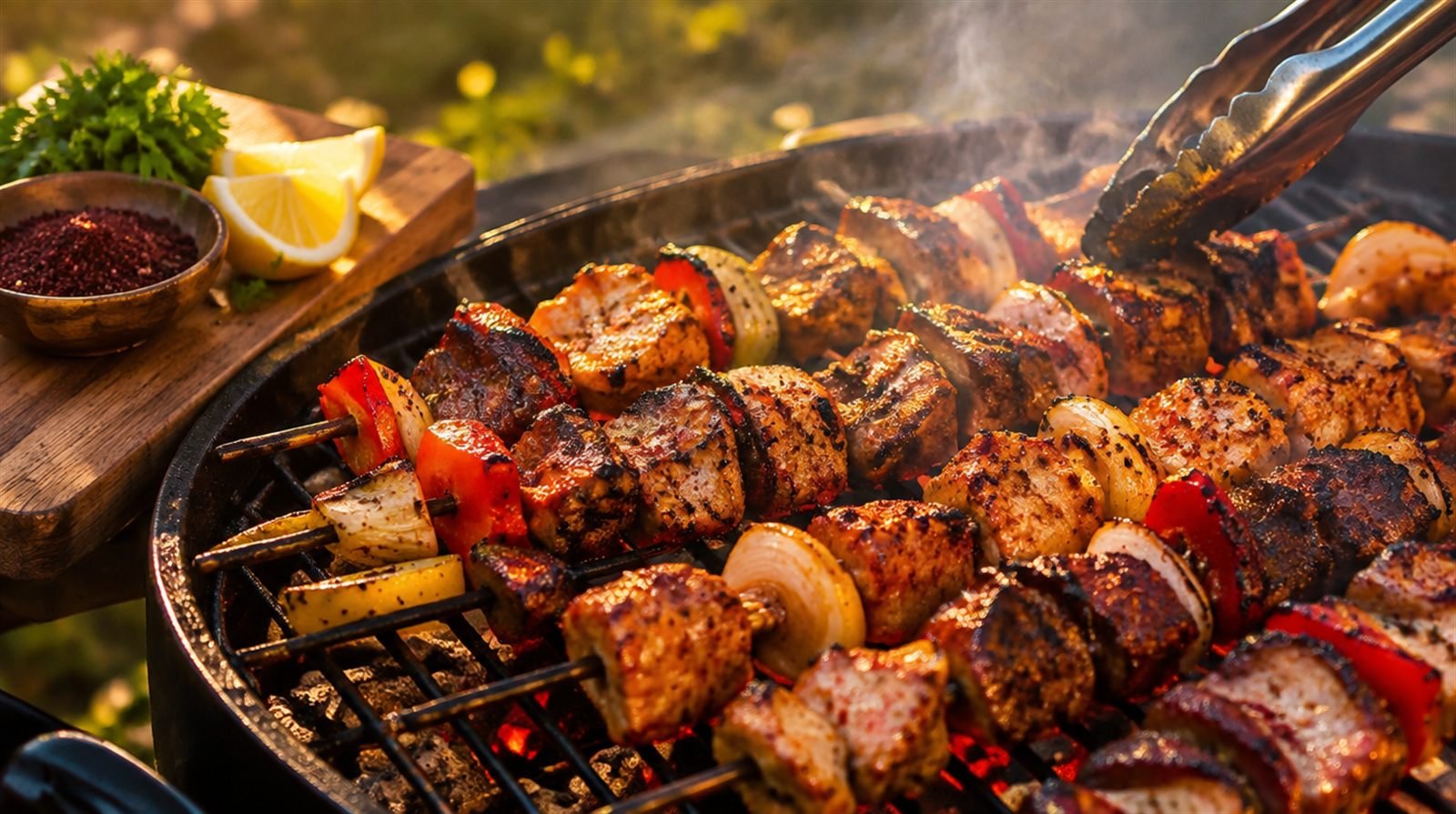
Kabob seasoning is a warm, savory rub of black pepper, allspice, coriander, cumin, paprika, garlic and onion, often with sumac or dried lime for tang, mixed into a marinade of grated onion, oil and lemon. Coat cubed chicken, beef or lamb, let it sit for two to twelve hours, then grill hot and fast.
Kabob is the Iraqi and Persian spelling of kebab. In Iraq the word covers two things: tikka, cubes of meat on a skewer, and kofta, spiced ground meat pressed around a flat skewer. This post covers the cubed kind, and it closes out our 30-day series.
You will find the marinade base, the right cuts for each meat, skewering and grilling times with safe temperatures, and how to serve.
What is kabob seasoning?
Kabob seasoning is the dry spice part of a kebab marinade, and it leans savory and peppery rather than sweet. A typical Middle Eastern kabob blend includes black pepper, allspice, coriander, cumin, paprika, garlic and onion, and many families add sumac, dried lime, turmeric or a little cardamom. Kashat Kabob blend follows that pattern, and the exact ratio is a family recipe.
The job of the seasoning is to flavor the outside of the meat and help it brown. Because it sits on the surface of cubes rather than mixed through ground meat, it needs oil and onion to carry it, which is why the marinade matters as much as the spice.
Kabob vs kofta seasoning
Cubed kabob and ground kofta use different blends. Kofta spice is heavier on onion, parsley and baharat because it is mixed through the meat, while kabob spice is brighter, with more paprika, sumac or dried lime, because it works from the outside. Kashat Kufta blend is made for the ground version, and our kofta guide covers how to shape and grill it.
How do you make a kebab marinade?
The classic Iraqi and Persian kebab marinade is grated onion, oil, lemon or dried lime, salt and the spice blend. Onion juice tenderizes and flavors, oil carries the spice and prevents sticking, and acid brightens the meat. For 2 pounds of cubed meat, use:
- 1 medium onion, grated, juice squeezed out and pulp discarded, or 1 tablespoon Kashat Granulated Onion when you do not want fresh
- 3 tablespoons olive oil
- 2 tablespoons lemon juice, or 1 teaspoon Kashat Lemon Balls (ground dried lime) for an Iraqi tang
- 2 tablespoons Kabob seasoning
- 1 teaspoon Kashat Paprika for color
- Salt to taste if your blend is unsalted
Mix everything in a bowl or zip bag, add the meat, and turn to coat. Using the onion juice rather than the pulp keeps bits from burning on the grill.
Yogurt for chicken
For chicken, add 1/2 cup of plain yogurt to the marinade. It keeps the meat moist and helps the spices cling, which is the Persian jujeh kabob approach. Skip it for beef and lamb, where oil alone gives a better crust.
How long should you marinate kabobs?
| Meat | Minimum | Best | Maximum |
|---|---|---|---|
| Chicken thigh or breast | 2 hours | 4 to 8 hours | 12 hours |
| Beef sirloin or tenderloin | 2 hours | 6 to 12 hours | 24 hours |
| Lamb leg or shoulder | 2 hours | 6 to 12 hours | 24 hours |
Acid keeps working, so a marinade heavy in lemon juice should not go past 12 hours or the surface turns mealy. With dried lime instead of juice, the longer times are fine.
What cut of meat is best for kabobs?
Choose tender cuts with some fat, cut into even pieces of 1 1/4 to 1 1/2 inches, so every cube cooks at the same rate.
| Meat | Best cut | Why |
|---|---|---|
| Chicken | Boneless, skinless thighs | Stay juicy at 165°F; breast works with the yogurt marinade |
| Beef | Sirloin, tenderloin tips or ribeye | Tender enough for fast cooking, marbled enough to stay moist |
| Lamb | Boneless leg or shoulder | Rich flavor; trim heavy fat but leave a thin layer |
How do you grill kabobs?
Grill kabobs over direct medium-high heat, about 400 to 450°F, turning every three to four minutes, until the meat is charred at the edges and safe inside.
- Skewer. Thread one kind of meat per skewer with the pieces just touching, and put vegetables on their own skewers since they cook at a different rate. Flat metal skewers keep cubes from spinning; soak wooden skewers for 30 minutes first.
- Heat the grill. Aim for medium-high, 400 to 450°F, with the grate scraped clean and oiled. On charcoal, wait until the coals are covered in gray ash.
- Cook. Chicken thigh cubes take about 10 to 14 minutes and beef and lamb about 8 to 12 minutes for medium, with a quarter turn every 3 to 4 minutes.
- Check the temperature. Chicken is safe at 165°F. For beef and lamb, the USDA minimum for whole cuts is 145°F with a 3 minute rest. Use an instant-read thermometer in the center of a middle cube.
- Rest. Move the skewers to a platter, tent loosely with foil, and wait 5 minutes before serving.
No grill?
Use the broiler with the rack 4 to 6 inches from the element and the same times, turning once. A cast iron grill pan over high heat works too, cooked in batches so the pan stays hot.
How do you serve Middle Eastern kabobs?
Serve kabobs with warm samoon or pita, sumac onions, grilled tomatoes and peppers, a bowl of yogurt and a plate of pickles. Slice a red onion thin, toss it with a tablespoon of Kashat Ground Sumac, a pinch of salt and chopped parsley, and let it sit while the meat cooks.
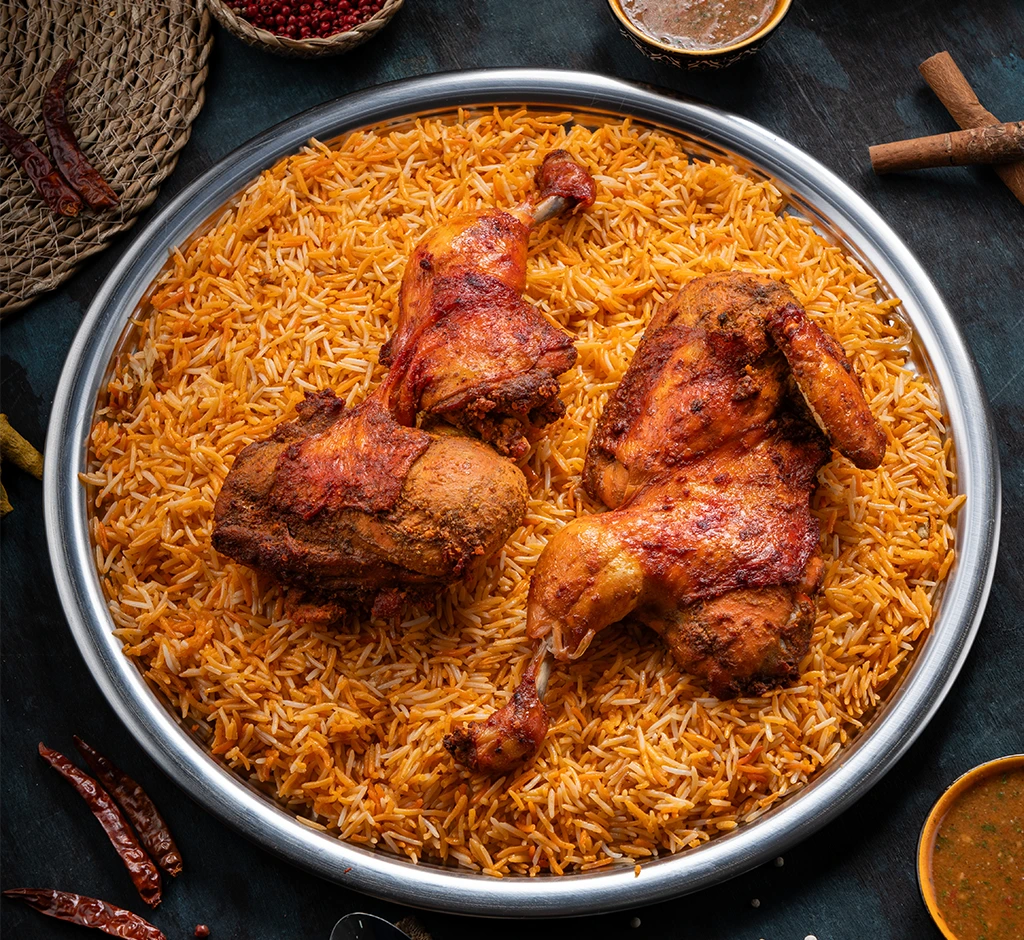
Rice is the other classic base. Cook basmati with a pinch of Kabob seasoning bloomed in butter, and spoon the kabobs on top with a little of the grill juices. If you want shaved meat instead of skewers, our chicken shawarma seasoning guide covers the same spices used a different way.
Where should you start with Middle Eastern spices?
This is the last post in our 30-day series, and if you have followed along you now have guides to blends, single spices, techniques and dishes from kubba to kleicha. If you are just arriving, start with the Middle Eastern spice pantry: 15 essentials, which lays out what to buy first and links to the deeper guides.
From there, pick one dish a week and cook it until it feels like yours.
Frequently Asked Questions
Can I use kabob seasoning as a dry rub without a marinade?
Yes, toss cubed meat with a tablespoon of oil and 1 tablespoon of kabob seasoning per pound, and let it sit for 30 minutes before grilling. You get the spice and the crust but less of the tenderness and moisture that grated onion and acid provide. It is the right move when you are short on time, and it works especially well on chicken thighs and lamb.
Why are my kabobs dry?
Kabobs turn dry when the cubes are too small, the meat is lean, or they stay on the grill past their safe temperature. Cut pieces at least 1 1/4 inches, choose chicken thighs over breast and marbled beef over lean, and pull them the moment a thermometer reads 165°F for chicken or 145°F for beef and lamb. Resting for five minutes also keeps the juices inside the meat.
Can I use kabob seasoning on vegetables?
Yes, kabob seasoning works on vegetables the same way it does on meat. Toss chunks of onion, bell pepper, zucchini, mushrooms and cherry tomatoes with olive oil, a squeeze of lemon and a teaspoon of seasoning per pound, then grill them on their own skewers for 8 to 10 minutes. Keep them separate from the meat skewers so each finishes at the right time.
What is the difference between kabob and kofta seasoning?
Kabob seasoning is made for cubes of whole meat, so it is brighter and more paprika and citrus forward, and it depends on a marinade to carry it. Kofta seasoning is mixed through ground meat, so it leans on onion, parsley and warm baharat-style spices that flavor every bite from within. You can swap in a pinch, but each blend is tuned for its own texture.
Shop Kashat Kabob blend for skewers and Kufta blend for ground meat, and grill both at your next cookout. Orders ship in 1 to 3 business days.