Middle Eastern Spice Glossary: 40 Terms Every Home Cook Should Know
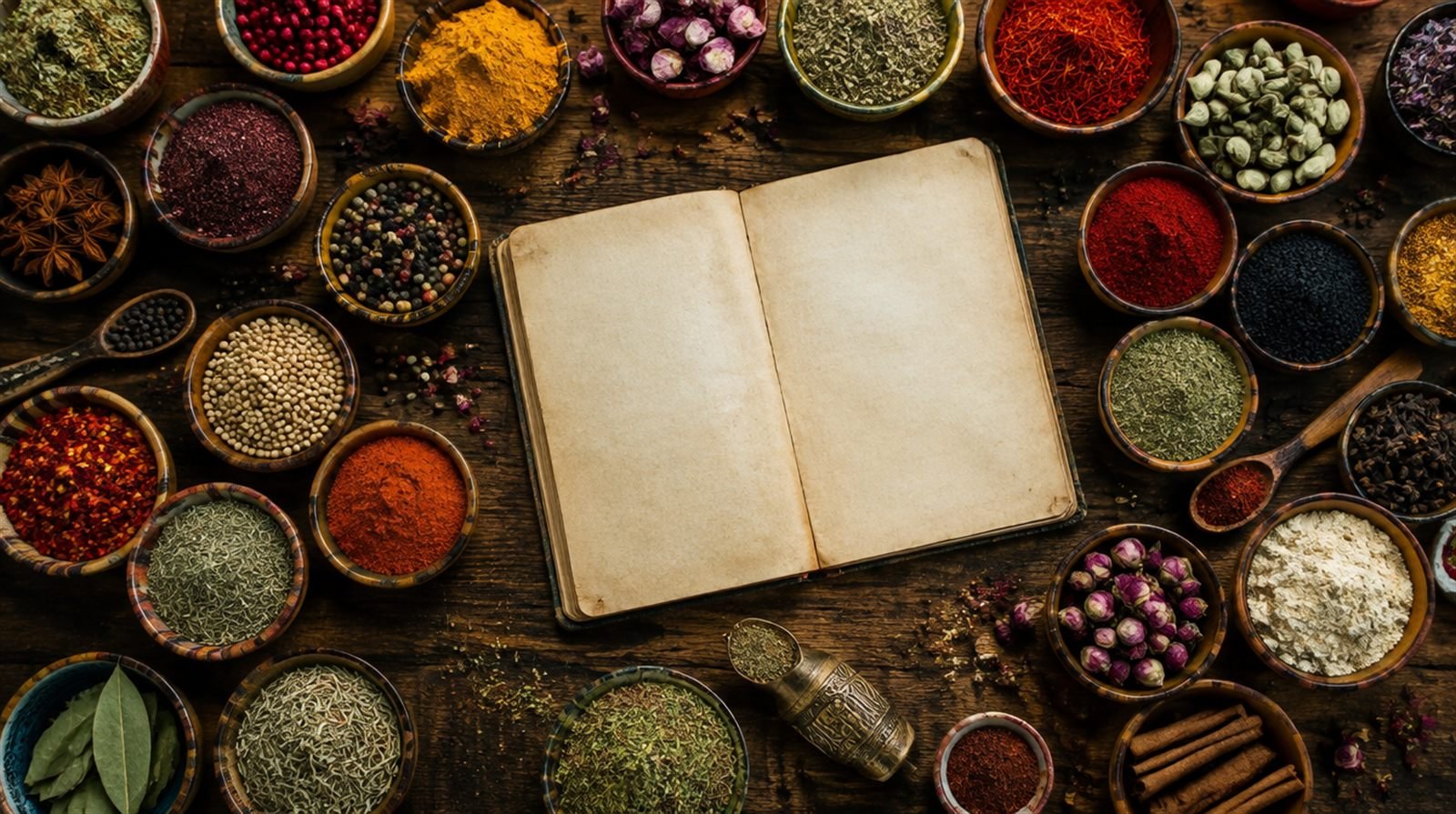
A Middle Eastern spice glossary is a plain list of the names you meet on labels, menus and recipe cards, from baharat and sumac to loomi and turshi, with a short definition of each. This one covers 40 terms in alphabetical order, including the Iraqi and Chaldean spellings Kashat has used on its blends for years.
Many of these words have two or three spellings because they moved from Arabic, Persian, Kurdish and Aramaic into English by ear. Where Kashat uses a family spelling on a product, the entry says so.
Use this Middle Eastern spice glossary as a quick reference. When a term has a full guide on this site, the entry links to it, and a handful of entries link straight to the Kashat blend made for that dish.
How do you use this Middle Eastern spice glossary?
Skim for the word you saw, read the one or two sentence definition, then follow the link if you want more. Terms are alphabetical, and single spices, blends and dishes are mixed together because that is how they show up in real recipes.
What do the 40 terms in this Middle Eastern spice glossary mean?
Advieh
A Persian spice blend, usually warm and floral, built on cinnamon, cardamom, cumin and rose, sometimes with dried lime. It is a cousin of baharat with a stronger rose note, used on rice and in stews.
Allspice
The dried berry of a Caribbean tree that tastes like cinnamon, cloves and nutmeg together. It is the backbone of many Levantine and Iraqi meat blends, including most baharat.
Amba
A tangy pickled mango condiment with fenugreek and turmeric, Iraqi in origin and now standard on shawarma and sabich. Kashat Curry Amba gives the flavor in a dry blend, and the amba and turshi guide covers both.
Anise
A small seed with a sweet licorice flavor, used in breads, cookies and the spirit arak. It is not the same as star anise or fennel, though the flavors are close.
Baharat
Arabic for spices, and the name of the all-purpose warm blend of black pepper, allspice, cinnamon, cloves, coriander, cumin, cardamom and nutmeg. See what baharat is for the full guide.
Basturma
Air-dried cured beef coated in a paste of fenugreek, garlic and paprika, sliced paper thin. Kashat Busterma blend supplies the coating spices under the family spelling.
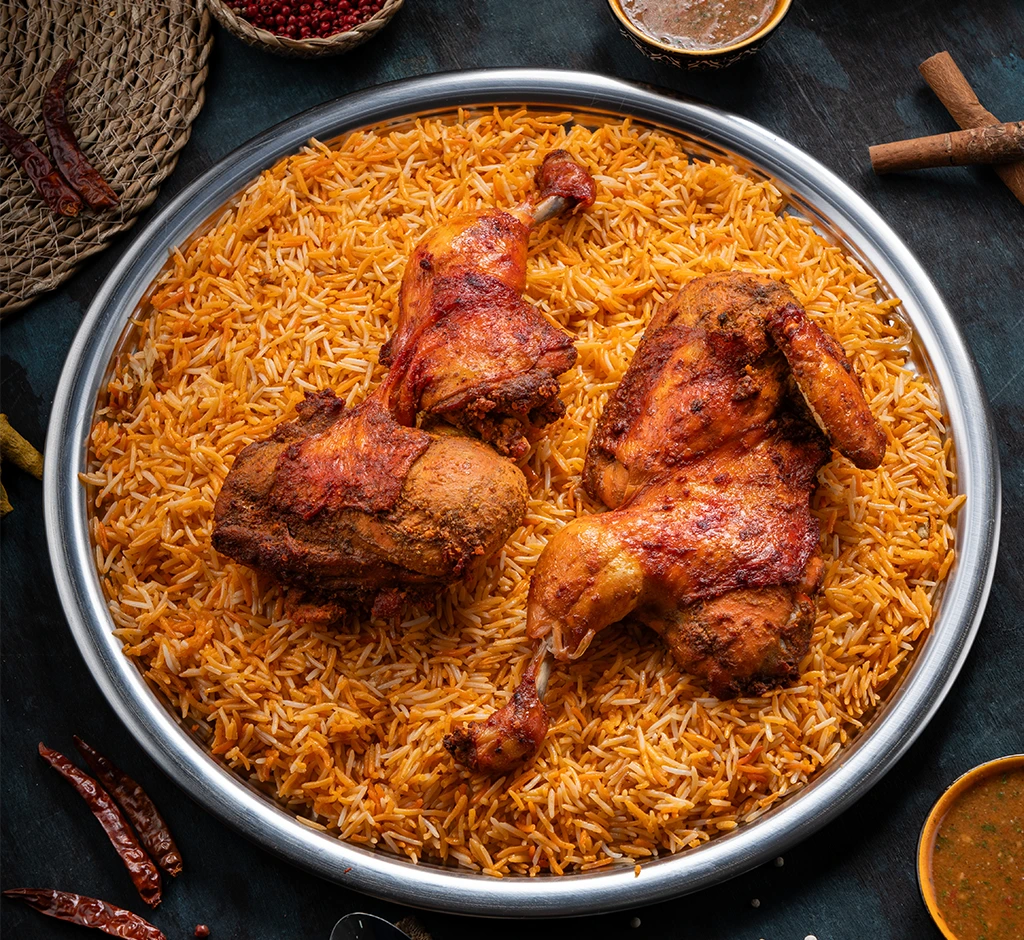
Biryani
A layered spiced rice dish with meat or vegetables, cooked across South Asia, the Gulf and Iraq. The Iraqi version is milder and often includes noodles, peas and fried potato, and Kashat spells its blend Beryani.
Black seed
The small black seeds of Nigella sativa, slightly bitter and oniony, pressed onto samoon bread and into kleicha dough. Also called nigella, kalonji and habbat al barakah. Read the black seed guide.
Butnich
Kashat’s spelling of butnij, a wild mint that is dried and used in Iraqi soups, yogurt dishes and kubba hamudh. Kashat Butnich is the wild mint blend.
Caraway
A crescent-shaped seed with an earthy, slightly sharp flavor, used in Middle Eastern breads, some cheeses and the spiced pudding meghli.
Cardamom
Green pods holding tiny, intensely aromatic seeds. It flavors Arabic coffee, tea, rice and kleicha, and it is the most used sweet spice in Iraqi kitchens.
Cinnamon
The bark of the cinnamon tree, sold as sticks or ground. In the Middle East it goes into meat, rice and stews as often as into sweets.
Cloves
Dried flower buds with a strong, numbing warmth. A little goes a long way in baharat, in rice and in pickling brine.
Coriander
The dried seed of the cilantro plant, mild, citrusy and slightly sweet. It is the quiet backbone of falafel and of most curry blends.
Cumin
An earthy, warm seed used whole or ground in almost every savory Middle Eastern dish, from kubba filling to lentil soup.
Dolma
Grape leaves and vegetables stuffed with spiced rice and meat, cooked in a sour tomato broth. Iraqi dolma mixes several vegetables in one pot. See the Iraqi dolma guide.
Dried lime
Whole limes boiled in brine and dried in the sun until dark and hollow. Sour, earthy and slightly fermented, used in stews, soups and tea. See loomi below.
Falafel
Fried patties of ground soaked chickpeas or fava beans with herbs, cumin and coriander. Kashat Falefel blend carries the family spelling and supplies the spice.
Fenugreek
A small, hard seed that is bitter raw and smells faintly of maple once cooked. It is the signature spice in amba and in the basturma coating.
Gus
The Iraqi word for shawarma, the stacked meat roasted on a spit and sliced to order. Kashat’s Beef Gus Shawarma blend takes its name from it.
Kabob
The Iraqi and Persian spelling of kebab: grilled skewers of cubed meat or spiced ground meat. Kashat Kabob blend is made for the cubed style.
Kleicha
Iraq’s date-filled holiday cookie, scented with cardamom, fennel and nigella and baked for Eid, Christmas and Easter. Kashat spells its blend Kalacha. Read the kleicha guide.
Kofta
Seasoned ground meat shaped onto skewers or into patties, then grilled or simmered. Kashat spells it Kufta. See the kofta guide.
Kubba
Iraqi kibbeh: a shell of bulgur, rice or semolina around spiced ground meat, then fried, baked or simmered in broth. Kashat spells the blend Kuba. See the kubba guide.
Loomi
The Arabic name for dried lime, also called noomi basra, black lime or Omani lime. Kashat sells it ground as Lemon Balls. Read the dried lime guide.
Mahlab
The ground kernel from inside the St. Lucie cherry stone, with a sweet, slightly bitter almond and cherry aroma. It flavors holiday breads and cookies.
Mint
Dried mint is a savory herb in Middle Eastern cooking, rubbed into yogurt sauces, soups and dolma broth. It is stronger and more bitter than fresh mint.
Nigella
The botanical name for black seed, Nigella sativa. See black seed above for uses and other names.
Nutmeg
The grated seed of the nutmeg tree, sweet and warm. It is used in small amounts in baharat and in kubba and kofta fillings.
Quzi
Iraq’s celebration dish of slow-roasted lamb over spiced rice with nuts and raisins, served at weddings and holidays. Kashat spells the blend Koozi. See the quzi guide.
Rose
Dried rosebuds and rose water, used in advieh, some baharat, sweets and tea. A pinch adds a floral note, and too much tastes like perfume.
Saffron
The dried stigmas of a crocus flower, the most expensive spice by weight, used in tiny amounts to color and perfume rice and sweets.
Samoon
The Iraqi diamond-shaped bread, often topped with sesame or nigella seeds and baked in a stone oven. It is split and stuffed for shawarma and falafel.
Seven spice
Another name for baharat, especially the Lebanese version. Every family counts its seven a little differently, which is why blends vary from shop to shop.
Shawarma
Marinated meat stacked on a vertical spit, roasted and shaved off in thin slices. Chicken and beef shawarma use different spice profiles, with chicken brighter and beef warmer.
Sumac
The dried, ground berries of the sumac bush, tart and lemony, dusted on salads, onions and grilled meat. Read the full sumac guide.
Tahini
A smooth paste of ground sesame seeds, the base of hummus and of the sauce served with falafel and shawarma.
Turmeric
A bright yellow root, dried and ground, earthy and slightly bitter. It colors amba, turshi brine, rice and every curry blend.
Turshi
Mixed vegetable pickles of turnips, cauliflower, peppers and cucumbers in a vinegar brine, often turned yellow with turmeric. Kashat Curry Turshi seasons the brine, and the pickle guide has a quick method.
Za’atar
Both a wild thyme-like herb and the blend of that herb with sumac, sesame and salt, eaten with olive oil and bread.
Frequently Asked Questions
What is the difference between baharat and seven spice?
Very little. Seven spice is the common English name for the Lebanese and Syrian version of baharat, and baharat is the Arabic word for spices used across the region. Both are warm blends of black pepper, allspice, cinnamon, cloves and nutmeg, often with coriander and cumin. The count of seven is loose, and every family and shop adjusts the ratio, so treat the two names as the same shelf.
Is black seed the same as black cumin?
No, though the two are often confused on labels. Black seed is Nigella sativa, a small, matte black, slightly oniony seed used on bread and in pickles. Black cumin usually refers to a darker, thinner relative of cumin that tastes like a smokier cumin. If a recipe calls for kalonji or habbat al barakah, it means nigella, and that is what Kashat sells as Black Seeds.
What is the Iraqi word for shawarma?
Gus, sometimes written guss or gass, is the Iraqi word for shawarma. It describes the same stacked, spit-roasted meat shaved to order, most often beef in Iraq, served in samoon bread with pickles, onion and amba. Kashat’s Beef Gus Shawarma blend uses the word so Iraqi and Chaldean customers recognize it at once, while the Chicken Shawarma blend uses the more common name.
Why do Kashat blend names have different spellings?
Because Kashat uses the spellings its family has used for decades, written from Iraqi Arabic and Chaldean pronunciation rather than the transliterations you see in cookbooks. Koozi is quzi, Kuba is kubba, Kufta is kofta, Falefel is falafel, Busterma is basturma and Kalacha is kleicha. The dishes and the flavors are the same, and this glossary lists both spellings so you can find what you need.
Keep this Middle Eastern spice glossary handy, start with the dishes you already love, and shop the blends built for them at the Kashat shop. Every blend is ground fresh in-house and hand-mixed in small batches in Madison Heights, Michigan, and orders ship in 1 to 3 business days.